


A member of


Newsfeed
-
The A-10 warthog: raising depleted uranium’s threshold of acceptability
The apparent U-turn by the Pentagon over DU use by aircraft in Operation Inherent Resolve has been cautiously welcomed by campaigners, but is it a sign of a wider policy shift? Is the threshold of acceptability for the use of DU in operations rising in response to international pressure over the controversial munitions and what part has the A-10 played in this? -
Pentagon announces U-turn on use of depleted uranium in Iraq and Syria
The Pentagon has announced that depleted uranium (DU) munitions have not, and will not, be used by US aircraft in the conflict against Islamic State in Iraq and Syria. The policy U-turn contrasts with statements made over previous months, where Pentagon officials claimed that DU would be used if needed; the decision reflects a growing stigmatisation of the controversial weapons. -
"Fear of a slow death" civilians raise concerns over depleted uranium use in Syria
The news that US A-10 gunships are now also active in Syria in operations against Islamic State has coincided with the emergence of reports that Syrian civilians fear the long-term health impact of the Coalition’s airstrikes. -
Canada: is it really at the forefront of efforts against depleted uranium weapons?
Canada’s new Foreign Minister Rob Nicholson has claimed that Canada has been leading global efforts on the non-proliferation of DU weapons, among other things, but does this claim bear scrutiny? -
Prof. Siegwart-Horst Günther - 1925 - †2015
Prof. Manfred Mohr of ICBUW Germany on the life and work of Prof. Siegwart-Horst Günther, the father of the anti-uranium-weapons movement in Germany, who died earlier this month.
Health
Collection of articles on the health effects of DU
 #Act4Iraq
WHO and Iraqi Ministry of Health preliminary birth defect report: more questions than answers
CADU and ICBUW have issued a statement on the puzzling preliminary report of the Iraqi Ministry of Heath and WHO on the prevalence of birth defects in nine Iraqi provinces and has reiterated its call for full release of all data.22 September 2013 - ICBUW
Iraq birth defect data petition reaches 14000 as ex-UN Iraq Coordinator signs
A petition launched by a Fallujah paediatrician calling for the WHO and Iraqi Ministry of Health to release data held on rates of birth defects linked to the 2003 war for independent analysis has reached 14000 signatures and has been supported by the former UN Humanitarian Coordinator for Iraq.12 August 2013 #Act4Iraq
Birth Defects: Did The Occupation of Iraq Leave a Toxic Legacy?
Blog post examining the need for the #Act4Iraq campaign in more detail which discusses previous examples of politicisation of health research in Iraq.
Iraq birth defect data petition reaches 14000 as ex-UN Iraq Coordinator signs
A petition launched by a Fallujah paediatrician calling for the WHO and Iraqi Ministry of Health to release data held on rates of birth defects linked to the 2003 war for independent analysis has reached 14000 signatures and has been supported by the former UN Humanitarian Coordinator for Iraq.12 August 2013 - Doug WeirUS: new attempt at veteran care bill
Campaigners have called for support for a new bill that seeks to identify members of the US armed forces who may have been exposed to depleted uranium and which aims to ensure health monitoring for veterans.9 August 2011
We urgently need transparency over depleted uranium use
Humanitarian concerns over health problems in Fallujah have renewed calls for full disclosure from depleted uranium users.26 July 2010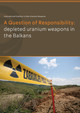 New ICBUW report
A Question of Responsibility - the legacy of depleted uranium use in the Balkans
A report examining user transparency, the capacity of states to manage depleted uranium contamination and the development of heath studies, seen through the experiences of Bosnia, Serbia and Kosovo.
New report on depleted uranium weapons published by UN Secretary General
Ahead of the forthcoming vote in the UN General Assembly, the UN Secretary General has published a second report on uranium weapons. The report compiles responses from countries and UN agencies in response to a request in the 2008 General Assembly resolution19 October 2010


